
Build a Reliable, Secure, and Scalable Digital Foundation
Your business depends on reliable technology infrastructure to store information, run applications, connect systems, and maintain essential operations. When infrastructure is poorly planned or difficult to manage, performance issues, rising costs, security gaps, and operational disruptions can affect business continuity.
Noman Said, through his leadership at SI Global Solutions, brings a technology-focused, business-oriented approach to digital infrastructure planning, consulting, and implementation. From data center solutions and cloud infrastructure to network integration and intelligent security systems, the objective is to help organizations establish a digital foundation aligned with their operational requirements and future growth.
Whether you are modernizing an existing IT environment, developing a new data center, evaluating cloud infrastructure, or connecting multiple technology systems, the right infrastructure strategy can help your business operate with greater confidence.
Why Choose Our Digital Infrastructure Services?
- Reliable Infrastructure Planning: Evaluate your current environment and identify suitable improvements for performance, availability, and scalability.
- Integrated Technology Solutions: Connect infrastructure components, business systems, and relevant security technologies through a coordinated approach.
- Future-Ready Architecture: Plan infrastructure investments around business growth, operational requirements, and long-term management needs.
Discuss Your Infrastructure Project
Supporting organizations in Pakistan and international markets with technology and infrastructure requirements.
Overcome Digital Infrastructure Challenges With the Right Expertise
Digital infrastructure is the foundation that supports your organization’s applications, data, connectivity, and daily operations. As businesses grow, their infrastructure often becomes more complex, particularly when multiple platforms, networks, data storage systems, and security technologies must work together.
Without a clear infrastructure strategy, organizations may face unnecessary expenditure, capacity limitations, inconsistent performance, and avoidable operational risks.
A professional digital infrastructure services provider helps businesses evaluate their existing technology environment, identify gaps, and plan improvements based on technical requirements and business priorities.
Through a coordinated approach to infrastructure consulting and systems integration, Noman Said and the SI Global Solutions team help organizations explore suitable options for developing, modernizing, and managing their digital infrastructure.
Common Infrastructure Challenges We Help Address
- Unreliable infrastructure: Identify potential weaknesses affecting system availability, performance, and operational continuity.
- Increasing infrastructure costs: Evaluate resource utilization, infrastructure requirements, and opportunities for better cost management.
- Disconnected technology systems: Assess integration opportunities across networks, platforms, applications, and infrastructure components.
- Limited scalability: Plan infrastructure capacity around changing business workloads and future requirements.
- Data center complexity: Evaluate facility requirements, power, cooling, networking, and equipment considerations.
- Security and access concerns: Consider suitable physical security, surveillance, and infrastructure protection measures.
- Difficult infrastructure management: Establish clearer requirements for monitoring, maintenance, documentation, and operational support.
The goal is not simply to introduce new technology. It is to develop an infrastructure environment that supports business operations, addresses practical risks, and remains appropriate as organizational needs evolve.
Digital Infrastructure Services for Business-Critical Operations
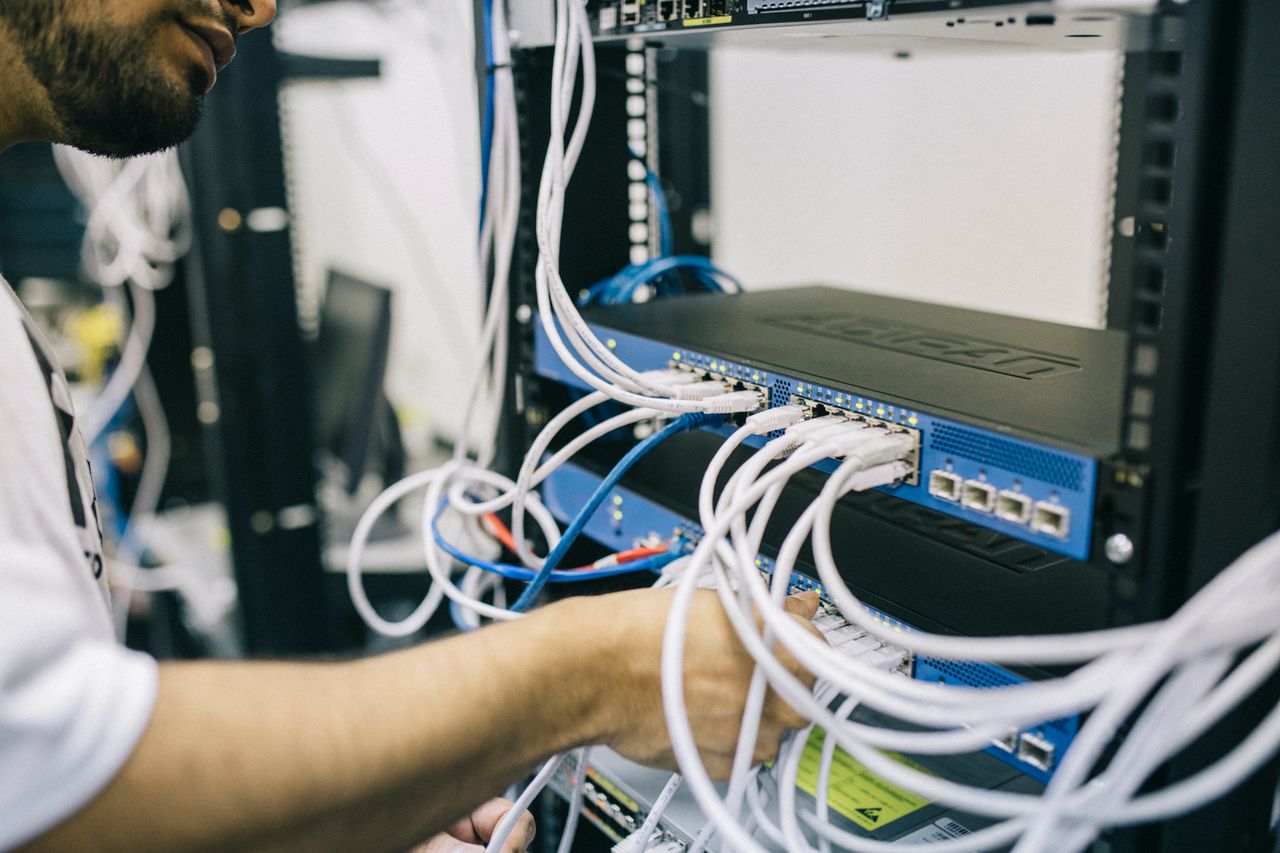
Every organization has different infrastructure requirements. The right approach depends on existing systems, application workloads, available resources, security needs, and expected business growth.
Noman Said’s technology leadership and SI Global Solutions’ infrastructure and systems integration capabilities provide a starting point for evaluating suitable digital infrastructure solutions.
1. Data Center Consulting, Design, and Implementation
Build a data center environment around your operational and business requirements.
Data centers provide the physical and technical environment required to support computing equipment, storage systems, networks, and business-critical applications. Their performance depends on more than servers and software; power, cooling, physical security, and connectivity also play important roles.
Data center consulting helps organizations assess their existing facilities or plan new infrastructure based on capacity, availability, performance, and operational requirements.
Our data center infrastructure services may include:
- Data center assessment and infrastructure planning.
- Design and engineering requirements for new or upgraded facilities.
- Server, storage, and networking infrastructure considerations.
- Power, cooling, and physical environment planning.
- Virtualization and infrastructure consolidation.
- Capacity planning and scalability assessment.
- Infrastructure monitoring, maintenance, and operational improvement planning.
Business benefits:
- Improve visibility into infrastructure requirements and dependencies.
- Plan computing and storage capacity around business workloads.
- Identify opportunities to improve energy and resource utilization.
- Reduce the risk of costly design decisions through appropriate planning.
- Establish a clearer approach to infrastructure expansion and maintenance.
A suitable data center solution begins with understanding current requirements and anticipated demand. Design decisions should account for relevant operational needs, environmental conditions, industry standards, and budget constraints.
2. Cloud Infrastructure and Hybrid IT Solutions
Evaluate flexible infrastructure options for changing business needs.
Cloud infrastructure enables organizations to access computing, storage, networking, and related technology resources through cloud platforms. Depending on workload requirements, businesses may consider public cloud, private cloud, hybrid environments, or a combination of on-premises and cloud-based systems.
The objective is to identify an appropriate infrastructure model rather than assuming that every workload should move to the cloud.
Our cloud infrastructure services may include:
- Cloud adoption and infrastructure requirements assessment.
- Evaluation of suitable cloud and hybrid infrastructure options.
- Planning for cloud migration and system integration.
- Assessment of storage, computing, and network capacity.
- Infrastructure access and configuration considerations.
- Cloud resource utilization and cost optimization planning.
- Backup and recovery requirements for suitable workloads.
Business benefits:
- Evaluate infrastructure options that support changing resource requirements.
- Improve flexibility when planning computing and storage capacity.
- Explore opportunities to simplify infrastructure administration.
- Integrate appropriate cloud services with existing systems.
- Establish more informed decisions about infrastructure expenditure.
A successful cloud strategy considers performance, data sensitivity, application compatibility, ongoing costs, and operational responsibilities. Cloud adoption should be based on business and technical requirements rather than migration for its own sake.
3. Network Infrastructure and Systems Integration
Connect the technology components that keep your business operating.
Organizations often depend on multiple infrastructure components, applications, and networking technologies. When these systems are poorly integrated, information flow can become inconsistent, troubleshooting can take longer, and operational complexity can increase.
Network infrastructure planning and systems integration focus on evaluating how these components communicate and identifying suitable ways to connect them.
Our network and integration services may include:
- Assessment of existing network infrastructure requirements.
- Network architecture and connectivity planning.
- Integration of compatible infrastructure components.
- Coordination between relevant hardware, software, and business systems.
- Evaluation of network capacity, reliability, and performance needs.
- Infrastructure documentation and configuration planning.
- Identification of dependencies that may affect availability or future expansion.
Business benefits:
- Improve coordination between relevant technology systems.
- Identify potential connectivity and compatibility issues.
- Support more efficient infrastructure troubleshooting.
- Plan technology upgrades with fewer integration surprises.
- Establish an infrastructure environment better suited to future growth.
Every integration project requires an appropriate assessment of compatibility, access permissions, security, performance, and implementation dependencies. The final design should reflect the organization’s real operating environment.
4. Infrastructure Security and Intelligent Surveillance
Strengthen the protection and monitoring of critical infrastructure environments.
Digital infrastructure depends on both logical and physical safeguards. Data centers, offices, and other critical facilities may require suitable access controls, surveillance technologies, monitoring arrangements, and procedures for managing security incidents.
An infrastructure security assessment can help determine which safeguards are relevant to a particular facility or operating environment.
Our relevant technology solutions may include:
- Physical security and surveillance system planning.
- Network camera and monitoring technology evaluation.
- Access control and entry-management requirements.
- Integration of compatible surveillance and security systems.
- Assessment of monitoring coverage and operational needs.
- Infrastructure protection requirements for data center environments.
- Coordination of security technologies with existing systems.
Business benefits:
- Improve visibility into physical environments and access points.
- Support more structured facility security procedures.
- Evaluate opportunities to centralize monitoring across compatible systems.
- Align security technology with operational requirements.
- Identify gaps that may require additional safeguards or controls.
Security requirements vary by facility, industry, and risk profile. Appropriate solutions should be selected following a site-specific assessment and consideration of relevant privacy, access, and regulatory requirements.
5. Infrastructure Monitoring, Maintenance, and Optimization
Maintain visibility into infrastructure performance and operational needs.
Deploying infrastructure is only one part of its lifecycle. Organizations also need suitable arrangements for monitoring, maintenance, capacity planning, troubleshooting, and ongoing improvement.
Depending on the engagement, infrastructure lifecycle services can help businesses establish clearer operational processes and identify issues that may affect performance or availability.
Our infrastructure lifecycle services may include:
- Review of existing infrastructure monitoring requirements.
- Assessment of capacity and resource utilization.
- Preventive maintenance and support planning.
- Infrastructure performance and availability reviews.
- Backup and recovery planning where required.
- Documentation of infrastructure dependencies and operational procedures.
- Identification of appropriate optimization opportunities.
Business benefits:
- Improve visibility into the condition and performance of infrastructure.
- Identify capacity limitations before they become operational problems.
- Establish more consistent maintenance practices.
- Support better-informed infrastructure investment decisions.
- Develop a clearer approach to operational continuity and future upgrades.
The scope of ongoing monitoring, maintenance, and support should be agreed upon before implementation. Any availability targets, response times, and service commitments must be defined according to the actual service agreement.
Our Digital Infrastructure Implementation Process
Reliable infrastructure requires careful planning, coordination, testing, and ongoing evaluation. A structured process helps establish project requirements, identify dependencies, and reduce avoidable implementation risks.
Step 1: Infrastructure Assessment and Discovery
We begin by understanding your business objectives, current infrastructure, application requirements, facility conditions where relevant, and existing operational challenges.
The assessment may cover computing resources, networks, data storage, cloud environments, power and cooling requirements, security systems, and future capacity needs.
Outcome: A clearer understanding of the existing environment and the improvements your organization needs to consider.
Step 2: Requirements Analysis and Solution Design
The next stage establishes the technical and operational requirements for the proposed solution. Suitable infrastructure components and integration options are evaluated against capacity, performance, availability, security, scalability, and budget considerations.
Outcome: A proposed infrastructure architecture or improvement plan aligned with the agreed requirements.
Step 3: Planning, Procurement, and Coordination
Where included in the engagement, the implementation plan identifies the required technology components, project milestones, integration dependencies, responsibilities, and deployment considerations.
Any procurement requirements, third-party responsibilities, and operational constraints are clarified before implementation proceeds.
Outcome: A coordinated implementation plan with defined responsibilities and deliverables.
Step 4: Deployment, Integration, and Testing
The agreed infrastructure components are deployed or integrated according to the approved project scope. Relevant testing evaluates functionality, connectivity, system compatibility, access permissions, and operational readiness.
Testing and validation should reflect the intended use of the infrastructure and its business-critical requirements.
Outcome: Infrastructure prepared for operational use, subject to the agreed acceptance criteria.
Step 5: Handover and Ongoing Improvement
Following validation, the project can move to handover and operational management. Documentation, maintenance recommendations, monitoring arrangements, and ongoing support requirements are addressed according to the engagement.
Outcome: A documented handover and a clearer plan for maintaining and improving the infrastructure environment.
Why Choose Noman Said for Digital Infrastructure Services?
Choosing a digital infrastructure services provider involves assessing technical capabilities, implementation planning, operational requirements, and the ability to coordinate different infrastructure components.
Noman Said is identified on his professional website as the CEO of SI Global Solutions, a system integration and consultancy company. The company’s published services include data center solutions, cloud services, systems integration, and security and surveillance technologies.
Technology Leadership and Business Perspective
Technology investments should support business objectives. Noman Said’s leadership background provides a business-oriented perspective for discussing infrastructure requirements, technology adoption, and implementation priorities.
This approach helps frame infrastructure decisions around operational needs rather than focusing exclusively on individual products or components.
Infrastructure and Systems Integration Capabilities
Infrastructure environments often involve interconnected systems that must operate together. SI Global Solutions identifies systems integration and data center solutions among its areas of service.
For projects involving multiple infrastructure components, coordinated planning helps establish dependencies, implementation requirements, and appropriate testing procedures.
Solutions Aligned With Your Requirements
There is no single infrastructure design that suits every business. The right solution depends on application workloads, expected growth, data sensitivity, facility requirements, available resources, and operational priorities.
Recommendations should account for these differences and explain the considerations that influence the proposed approach.
Planning for Reliability and Scalability
Infrastructure should be designed around realistic availability, performance, and capacity requirements.
A structured assessment considers how systems may respond to changing workloads, where operational dependencies exist, and which improvements are appropriate for the business.
A Lifecycle-Oriented Approach
Infrastructure requires ongoing attention beyond initial deployment. Maintenance, documentation, performance reviews, capacity planning, and recovery arrangements can all contribute to better infrastructure management.
The exact support model should be defined according to project requirements and the agreed responsibilities of each party.
Support for International Business Requirements
Organizations operating across different locations may need to coordinate infrastructure planning, systems integration, and technology deployment across multiple environments.
Project scope, communication, regional requirements, procurement responsibilities, and support arrangements should be agreed upon to keep implementation expectations clear.
Who Needs Digital Infrastructure Services?
Digital infrastructure services can benefit organizations that depend on reliable computing, networking, data storage, connectivity, and integrated technology systems.
Noman Said and SI Global Solutions may be relevant to businesses with requirements such as:
- Enterprises and large organizations: Planning infrastructure upgrades, systems integration, and operational continuity.
- Data center operators and facility planners: Evaluating capacity, equipment, power, cooling, security, and infrastructure lifecycle needs.
- Growing businesses: Preparing their technology environment for increasing workloads and changing operational demands.
- Cloud-dependent organizations: Assessing migration, hybrid infrastructure, and cloud integration options.
- Government and public-sector organizations: Evaluating relevant infrastructure, surveillance, and systems integration requirements.
- Industrial and commercial facilities: Considering suitable networking, monitoring, and technology integration solutions.
- International businesses: Exploring infrastructure consulting and integration projects across supported markets.
The most suitable engagement depends on your infrastructure objectives, the existing technical environment, and the level of consulting, implementation, or ongoing support required.
Frequently Asked Questions About Digital Infrastructure Services
1. What does a digital infrastructure services provider do?
A digital infrastructure services provider helps organizations plan, implement, integrate, and maintain the technology environments that support their operations. Services may include data center solutions, cloud infrastructure, networking, systems integration, security technologies, and infrastructure lifecycle management. The exact scope depends on business requirements, existing systems, capacity needs, and operational priorities.
2. What digital infrastructure services does Noman Said offer?
Through his leadership at SI Global Solutions, Noman Said is associated with technology consultancy and systems integration. The company’s published services include data center solutions, cloud-related services, systems integration, and security and surveillance technologies. Specific project deliverables, implementation responsibilities, and ongoing support arrangements should be confirmed according to the client’s requirements.
3. Why are digital infrastructure services important for businesses?
Digital infrastructure services help businesses plan and manage the systems that support applications, data, connectivity, and daily operations. Appropriate infrastructure planning can improve visibility into capacity, integration dependencies, security requirements, and maintenance needs. It also helps organizations make more informed investment decisions as workloads and business requirements change.
4. How much do digital infrastructure services cost?
The cost depends on project scope, infrastructure capacity, facility requirements, equipment, licensing, integrations, deployment complexity, and ongoing support. A data center project generally has different cost considerations from a cloud assessment or network integration engagement. A requirements assessment helps establish the appropriate scope and a more meaningful project estimate.
5. Can digital infrastructure services support international businesses?
Yes. Digital infrastructure consulting and integration can support international businesses when the provider has the appropriate technical capabilities, regional coverage, and implementation arrangements. Projects may involve infrastructure planning, data center requirements, cloud integration, or systems coordination. Availability, procurement, compliance, on-site work, and ongoing support should be confirmed for the relevant location.
Build a Stronger Digital Foundation for Your Business
Your infrastructure should support the systems, applications, and business operations that matter most to your organization.
Whether you are evaluating data center requirements, modernizing existing infrastructure, exploring cloud solutions, integrating technology systems, or planning infrastructure improvements, the first step is understanding your operational needs.
Work with Noman Said and explore digital infrastructure solutions aligned with your business objectives, technical requirements, and future plans.
Discuss Your Infrastructure Project and Request an Infrastructure Consultation
Start with your infrastructure requirements. Evaluate the right technology options. Plan for reliable and sustainable operations.